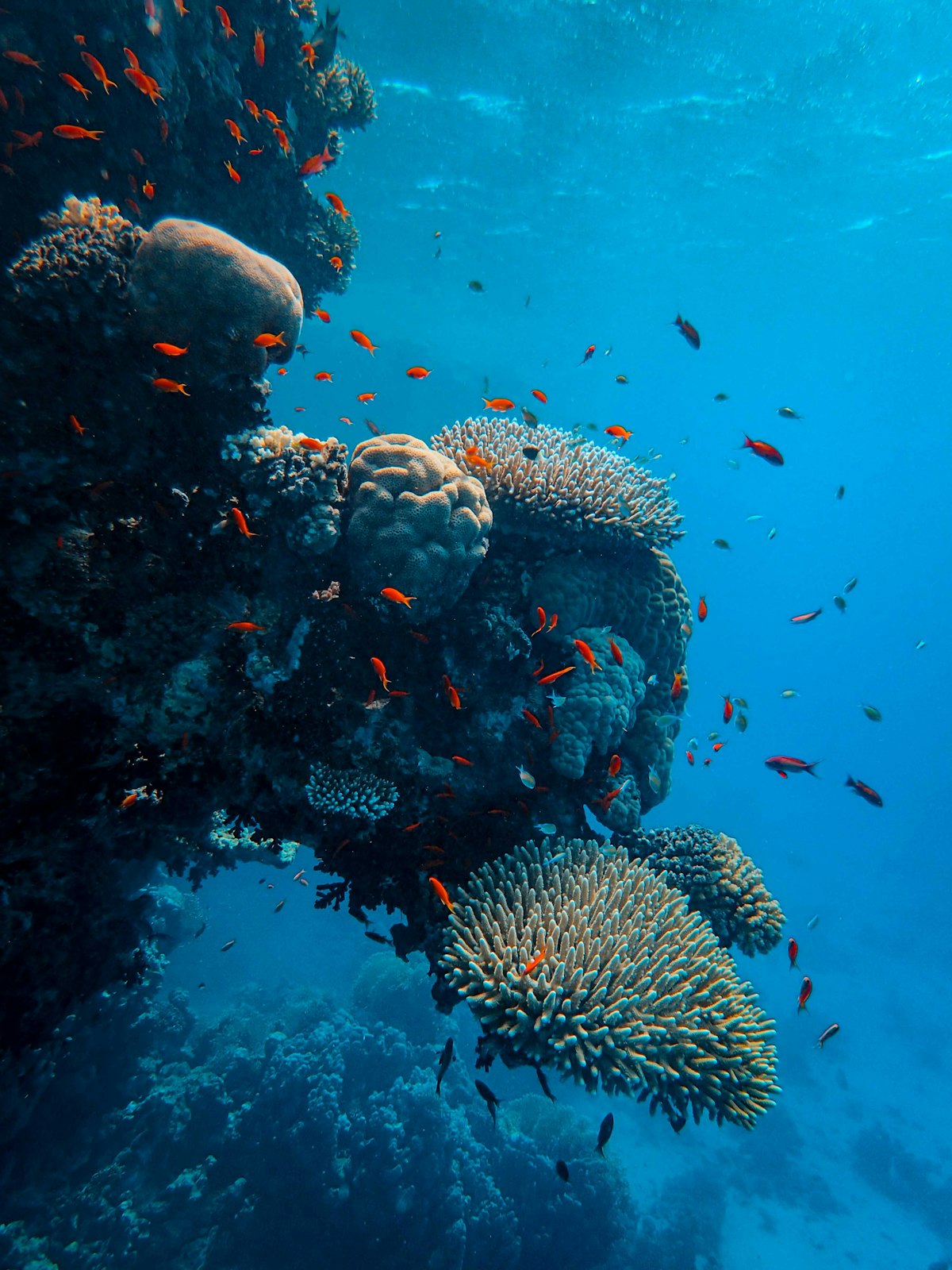
When Is the Best Time to Dive Koh Tao? Month-by-Month Conditions and Wildlife Guide
The short answer
Koh Tao is divable year-round. It's not a seasonal destination like the Caribbean or the Red Sea where some months effectively shut down.
Best months for conditions: February through May. Calm seas, 20-30m+ visibility, steady weather.
Worst months: October through mid-December (monsoon season). Choppy seas on north-shore sites, rain windows, visibility drops to 5-15m on bad days.
Year-round water temperature: 28-30°C. You don't need a thick wetsuit, ever. A 3mm shorty is plenty.
Monthly weather is the single biggest factor that varies. Visibility varies but less dramatically than people expect.
February to May - peak conditions
Visibility 20-30m on most sites. Sea is glass-flat most days. Air temperature 28-32°C, low humidity by tropical standards.
Whale shark season peaks April through May at Sail Rock and Chumphon Pinnacle. Sightings happen year-round but April-May has the highest hit rate.
Highest tourist load - book accommodation 4-8 weeks ahead, especially around Songkran (Thai New Year, mid-April) and Easter.
If you have flexibility, target March or April. Conditions are at their best, crowds are present but manageable, and the days are long enough for two-tank dive trips.
June to September - excellent diving, low crowds
Visibility 15-25m typically. Some afternoon thunderstorms, but they usually clear by morning - we run morning dives early specifically to avoid weather.
Plankton blooms occasionally drop visibility for 1-2 days at a time. They're seasonal and unpredictable; you can have 30m visibility one day and 8m the next, then back to 25m.
Sea state varies. Most days are good. Wind can pick up in late afternoon.
Best balance of conditions and value. Accommodation prices drop noticeably. Course slots are easier to grab on short notice.
Whale shark sightings continue, just with lower frequency than April-May.
October to mid-December - monsoon season
This is the season most blog posts gloss over. Heavy rain windows, especially in November when the monsoon peaks.
Sea state: choppy on north-shore sites (Sail Rock, Chumphon Pinnacle). Some days they're undivable; we move to south-shore protected sites instead.
Visibility: 5-15m on bad days, 15-25m on good days. Depends on rain runoff from the island and current direction.
We dive every day except in extreme conditions. Our boats (Siam Explorer, Siam Pearl) are larger and sturdier than the small longtails most shops use, so we operate when smaller shops cancel.
Many Koh Tao dive shops close for 2-3 weeks during peak monsoon (mid-November). We typically don't, but we sometimes shift schedules.
Ready to dive Koh Tao?
Mid-December to January - high season returns
Conditions improve rapidly through mid-December. By Christmas, most days are excellent again.
Whale sharks possible but less reliable than the spring window.
Holiday season drives heavy tourist demand. Book accommodation 2-3 months ahead for Christmas through New Year. Course slots fill up.
Sea state varies through January as the trailing monsoon weather works through the region. By February, conditions are reliably calm.
Wildlife calendar
Whale sharks: April to May peak. Year-round possible at Sail Rock and Chumphon Pinnacle.
Bull sharks: November to March (when they appear at Chumphon Pinnacle). Sightings are rare but real.
Reef sharks (blacktip): year-round at Shark Island, especially at sunset.
Schooling barracuda + jacks: year-round at Sail Rock and Chumphon Pinnacle. Best viewing on calm-current days.
Turtles: year-round at most reef sites. Aow Leuk and Hin Wong are reliable spots.
Spawning aggregations: variable, usually triggered by lunar cycle and water temp. Ask local instructors when you arrive - they track this.
What this means for booking
Maximum flexibility: target March or April. Best conditions, full wildlife calendar, and you'll get the most out of multi-day courses.
If you're already coming October-November: still divable, just plan flexibility into your trip. A 7-day stay gives us multiple weather windows to work with; a 3-day rush trip during peak monsoon is a coin flip.
Honest framing: a single bad-weather day on Koh Tao still has better conditions than most temperate dive sites on a good day. The water is warm, the marine life is rich, and even reduced visibility (10m) is plenty for training.
Multi-day courses give us room to swap sites based on conditions. If Sail Rock is rough, we move to a south-shore reef. You won't notice unless you specifically asked for the rough-condition site.
Courses you might like
Hand-picked PADI courses based on this article.
Discover Scuba Diving
Try scuba diving in Koh Tao with no experience needed. One-day intro with PADI instructor: pool training plus 1-2 ocean dives in calm tropical water. ฿2,600.
View courseOpen Water Diver
Get your PADI Open Water Diver certification in Koh Tao. 3-4 day course, max 4 students per instructor, two custom dive boats, lifetime certification. ฿11,000.
View courseAdvanced Open Water
Advance to 30m depth with the PADI Advanced Open Water course in Koh Tao. 2 days, 5 adventure dives, deep diving and navigation. ฿10,000 with Siam Scuba.
View courseReady to Explore Koh Tao Underwater?
Book a dive with Siam Scuba — beginners and certified divers welcome.
Book a DiveKeep reading
Complete Guide to the Best Dive Sites on Koh Tao
From the famous HTMS Sattakut wreck to the legendary Sail Rock — here's everything you need to know about diving on Koh Tao.
How Much Does Diving Cost in Koh Tao? The Honest 2026 Price Guide
Real prices for every PADI course and dive package on Koh Tao - plus daily living costs and the hidden fees you should watch for at other shops.
PADI vs SSI on Koh Tao — Which Course Should You Choose?
Thinking about getting your dive certification on Koh Tao? Here's an honest comparison of PADI and SSI so you can make the right choice.